
sourcing / sampling / quality
Sample Development and Approval: A Buyer Control Process
- Author
- STELRN Editorial Team
- Reviewed by
- STELRN Commercial Review
- Updated
- 2026-07-17
- Content source
- Industry reference
- Target buyer
- International buyers, brand teams, importers, and distributors preparing a controlled China supply program.
- Procurement stage
- Product development through delivery planning
Sample development should answer defined questions. A prototype may test construction, a fit sample may test measurements, a color sample may test appearance, and a pre-production sample may confirm the combined production reference. Calling every version “the sample” creates avoidable approval risk.
Before development, record the sample type, purpose, specification version, requested quantity, material status, artwork status, required completion date, and who will review it. If substitute material is used because production material is unavailable, label that limitation and identify which conclusions cannot be approved.
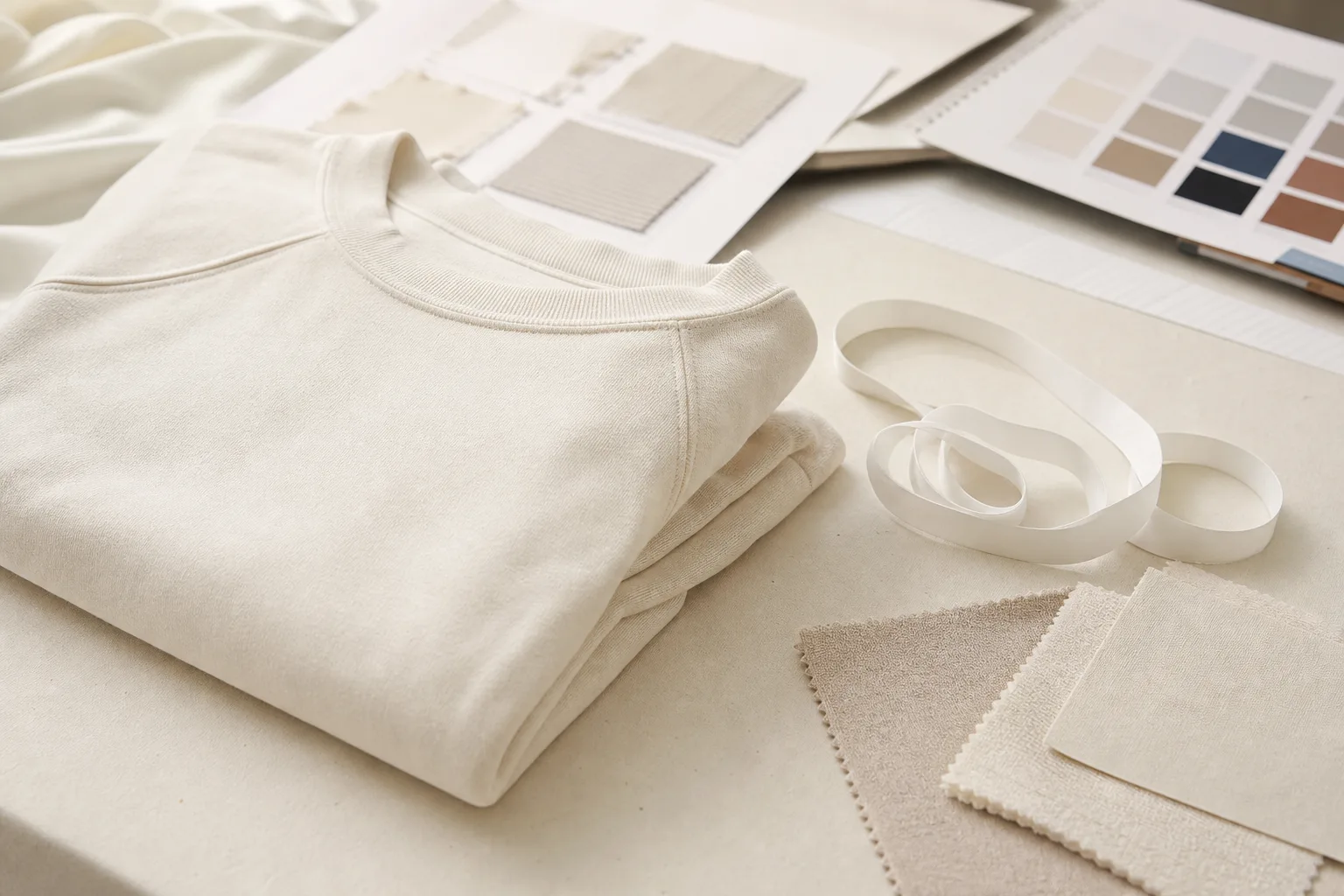
Review attributes separately. For apparel, check measurements and tolerances, fit, silhouette, fabric hand and weight, shade, shrinkage assumptions, seam construction, stitch quality, trims, print or embroidery placement, labels, and packing method. For non-apparel goods, adapt the list to dimensions, material, assembly, finish, function, hardware, marking, and packaging.
Comments should be actionable. Cite the sample version and location, describe the observed issue, state the required outcome, and attach an annotated image or measurement where useful. Avoid comments such as “make better” or “not right,” which do not define acceptance.
Maintain a revision log. Each round should show submitted date, reviewed date, comments, supplier response, agreed change, and status. Carry unresolved items forward until closed; do not assume silence means acceptance.
Approval must have boundaries. State whether approval covers fit only, material and color only, artwork only, packaging only, or the full pre-production reference. Record any approved deviation and whether it applies to the sample, production, or both.
Pre-production checklist
- correct specification revision
- approved material and color
- approved measurements
- confirmed construction and workmanship
- approved trims and branding
- packaging reference
- open-item list empty or formally accepted
- signed or digitally recorded approval.
Common mistakes include combining fit and color decisions without suitable materials, losing earlier comments, approving from compressed photos when physical review is necessary, and allowing bulk production to start while important attributes remain open. The control principle is simple: every approval should identify the object, version, attributes, limits, and approver.
Frequently asked questions
Does approving a fit sample approve all production details?
No. Approval should state its scope; fit approval does not automatically approve production material, color, branding, or packaging.
What belongs in a sample revision log?
Record the version, dates, reviewer comments, supplier response, agreed changes, unresolved items, and approval status.
Turn this guidance into a sourcing brief
Include the required sample type, review deadline, specification version, color and material references, and who will approve each attribute in your inquiry.