Priority sourcing direction · Industry guidance

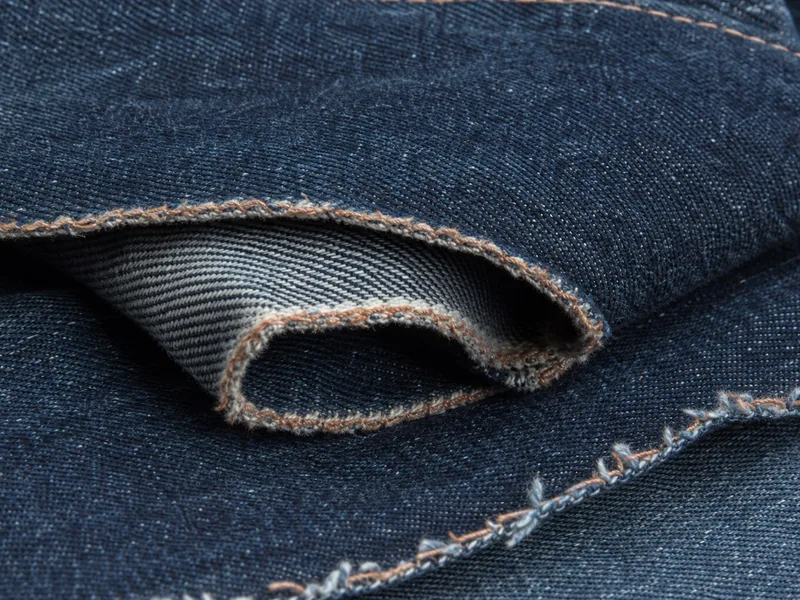
Indigo denim

For jeans, jackets, skirts, workwear, bags, or home programs where indigo shade, twill construction, weight, rigid or stretch behavior, wash development, crocking, shrinkage, and lot control drive outcomes.

This page supports procurement preparation and supply coordination; it does not represent stock, fixed price, fixed MOQ, fixed timing, or a specific supplier commitment.

Start a prefilled Indigo denim RFQ

Buyer use case

For jeans, jackets, skirts, workwear, bags, or home programs where indigo shade, twill construction, weight, rigid or stretch behavior, wash development, crocking, shrinkage, and lot control drive outcomes.

Materials & construction

  • Specify fiber blend, yarn and ring or open-end character where relevant, twill direction, construction, weight in agreed units, usable width, stretch, recovery, sanforization, indigo route, finish, and selvedge.
  • Link Indigo denim material choices to end use, target hand, care method, and acceptable alternatives; recheck sample, cost, and timing effects after any substitution.

Specification discussion points

  • Discuss raw or washed end use, target shade and cast, weight tolerance, stretch method, shrinkage, skew, crocking needs, wash recipe ownership, abrasion or sanding, sample yardage, roll, and lot policy.
  • Mark fixed requirements, supplier-proposal variables, measuring methods, tolerances, and approval references so the Indigo denim quotation does not rely on hidden assumptions.

Sample approval checks

  • Approve raw fabric, wash panels, and a sewn garment where relevant; review shade, cast, hand, stretch, recovery, shrinkage, leg twist, seam abrasion, wash contrast, crocking, and lot repeatability.
  • For every Indigo denim sample, record purpose, specification version, material status, comments, open items, and approval limits; photographs do not replace necessary physical review.

QC checkpoints

  • Check construction, weight, width, twill line, shade and cast by roll and lot, skew, stretch and recovery, surface streaks, slubs against reference, holes, stains, crocking, shrinkage, and roll mapping.
  • Use the current specification and approved sample for QC; record actual results, recurrence, affected quantity, and disposition owner without presenting visual checks as compliance proof.

Packaging considerations

  • Identify face, twill, lot, shade group, and roll sequence; protect edges, avoid moisture and contaminant transfer, control winding tension, mark joins and defects, and keep wash references linked to lots.
  • Packaging approval should cover unit protection, label-data source, assortment, carton dimensions and weight, and transport method, using a complete pack to verify Indigo denim appearance and function.

Common brief gaps

  • Common gaps include no raw-versus-washed target, unclear weight units, missing shade and cast reference, no skew or shrinkage basis, undefined stretch method, wash ownership, and lot-mixing rule.
  • Add quantity range, destination, target window, trade term, testing responsibility, document version, and approver because these commercial inputs can change the feasible Indigo denim route.

FAQ

Should indigo denim be approved before or after washing?

Often both. Raw-fabric approval controls construction and starting shade; wash panels or garments confirm the intended finish, contrast, shrinkage, twist, hand, and repeatability.

Why are shade groups important for denim rolls?

Indigo shade and cast can vary across lots and rolls; grouping, sequencing, cutting controls, wash trials, and traceable labels reduce visible garment mismatch.