Priority sourcing direction · Industry guidance

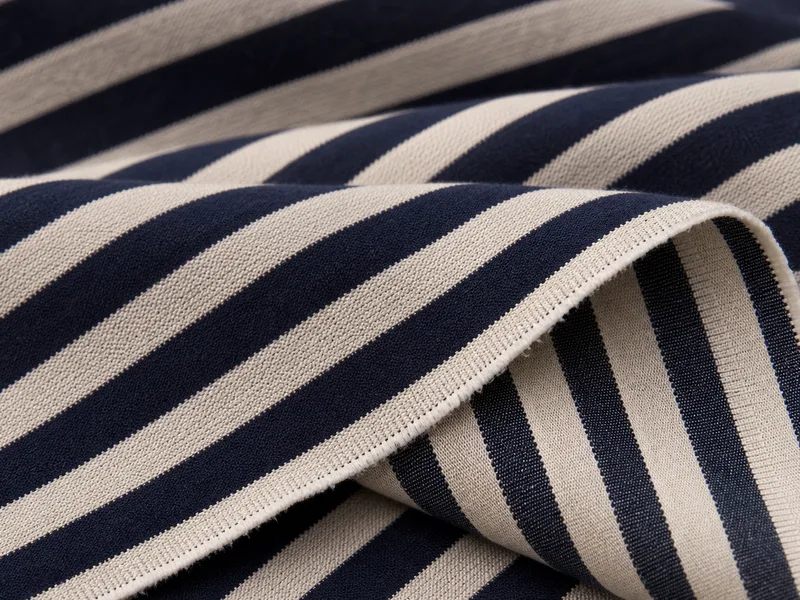
Yarn-dyed stripe

For shirt, dress, sleepwear, uniform, or home-textile buyers who need stripe repeat, yarn color, weave, alignment, shade continuity, cutting direction, and sewn appearance controlled before fabric commitment.

This page supports procurement preparation and supply coordination; it does not represent stock, fixed price, fixed MOQ, fixed timing, or a specific supplier commitment.

Start a prefilled Yarn-dyed stripe RFQ

Buyer use case

For shirt, dress, sleepwear, uniform, or home-textile buyers who need stripe repeat, yarn color, weave, alignment, shade continuity, cutting direction, and sewn appearance controlled before fabric commitment.

Sample approval checks

  • Approve full-repeat fabric and a sewn panel or garment; review stripe clarity, color sequence, repeat dimensions, skew, matching at key seams, pocket and placket placement, shrinkage, and shade.
  • For every Yarn-dyed stripe sample, record purpose, specification version, material status, comments, open items, and approval limits; photographs do not replace necessary physical review.

QC checkpoints

  • Check repeat and stripe width, yarn color, missing or contaminated yarn, shade by lot and roll, skew and bow, usable width, surface defects, roll joins, pattern continuity, and packing labels.
  • Use the current specification and approved sample for QC; record actual results, recurrence, affected quantity, and disposition owner without presenting visual checks as compliance proof.

Materials & construction

  • Define fiber and yarn, weave or knit construction, stripe repeat and color sequence, weight, usable width, yarn-dye method, finish, shrinkage, skew, colorfastness needs, and face direction.
  • Link Yarn-dyed stripe material choices to end use, target hand, care method, and acceptable alternatives; recheck sample, cost, and timing effects after any substitution.

Specification discussion points

  • Provide a repeat diagram or approved cutting, stripe widths and sequence, center-line rule, matching locations, allowed mismatch, orientation, selvedge reference, roll policy, and garment placement plan.
  • Mark fixed requirements, supplier-proposal variables, measuring methods, tolerances, and approval references so the Yarn-dyed stripe quotation does not rely on hidden assumptions.

Packaging considerations

  • Keep face and stripe direction identified, protect roll edges, mark joins and defects without obscuring pattern, separate lots, preserve approved sequence data, and state unwinding direction on labels.
  • Packaging approval should cover unit protection, label-data source, assortment, carton dimensions and weight, and transport method, using a complete pack to verify Yarn-dyed stripe appearance and function.

Common brief gaps

  • Common gaps include no numeric repeat, missing color sequence, undefined face or direction, unclear seam-matching locations, absent skew tolerance, and no rule for roll or lot shade changes.
  • Add quantity range, destination, target window, trade term, testing responsibility, document version, and approver because these commercial inputs can change the feasible Yarn-dyed stripe route.

FAQ

What information defines a yarn-dyed stripe repeat?

Record each stripe width, color sequence, total repeat, yarn or weave changes, face and orientation, measurement method, tolerance, and an approved physical reference.

Does every seam need stripe matching?

Not necessarily. The buyer should identify visible priority locations, matching method, allowed offset, cutting implications, and which curved or hidden seams are exempt.